Circular economy becomes a tangible reality andcreates impact when global dialogue is translated into local implementation,and when local solutions find international partners.
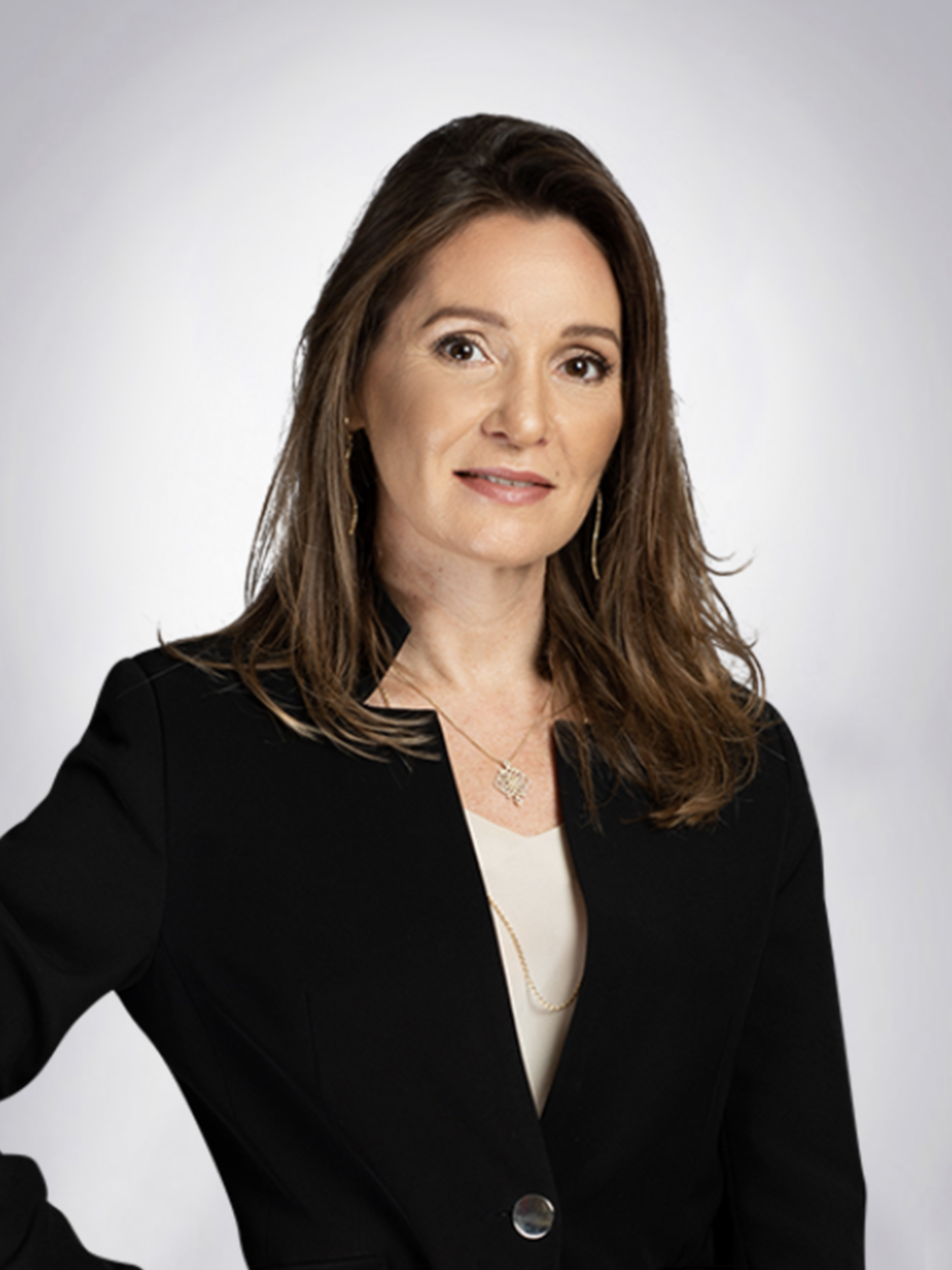
Adv. Sharon Artzy, Partner and Head of the Environmental, Climate & Circular Economy Department at ABADI & Co.,and Founder of Circular Economy Israel, represented the firm and the Israeli ecosystem at the World Circular Economy Forum (WCEF2026), held in Gandhinagar,India.
Sharon is a pioneer in the field of circular economy in Israel, with unique expertise at the intersection of law,regulation, climate, sustainability, and business strategy. Her invitation to participate in this prestigious international forum reflects recognition of herexpertise and contribution to advancing the professional dialogue in the field.
Over several inspiring days, the forum brought together policy makers, established companies, entrepreneurs, researchers, and practitioners from around the world. They gathered around questions that have become central to the circular transition: How can we preserve the value of products and materials over time? How can circular visions be transformed into operational systems that work at scale? And how can we ensure that this transition generates tangible economic, environmental, and social value?
From Declarations to Practice
The key takeaway throughout the conference wasthat the circular economy has entered a far more mature and practical stage.The question is no longer why we need a circular economy, but how to make circular choices easier, more viable, and more valuable for businesses, governments, and the wider economy, at the pace and scale required today.
As a firm advising and supporting companies innavigating evolving regulatory requirements and transforming them into toolsfor risk management, innovation, and competitive advantage across the valuechain, at ABADI & Co. we see every day how this shift in focus requires moving from general commitments to practical implementation:
- Planning and Design (Eco-Design): Designing products from the outset for durability, reuse, repair, and recovery.
- Secondary Materials and Markets: Establishing reliable and regulated markets for secondary raw materials.
- Viable Business Models: Developing sustainable, investment-ready economic models.
- Regulatory Alignment: Ensuring close alignment between environmental regulation and implementation on the ground, while creating the infrastructure, skills, and partnerships needed for circular solutions to become the norm rather than the exception.
The Indian Perspective and the Connection with Israel
It was particularly meaningful to see this global dialogue taking place for the first time in South Asia, at the heart ofIndia. The scale, energy, entrepreneurial spirit, and expanding circular economy ecosystem in India made the forum not only an impressive international event, but one deeply rooted in practical realities and opportunities for implementation.
As those working to promote and strengthen the connections and bridges between Israel and India, these days highlighted the tremendous value of bringing the two countries together: creating synergies between Israeli technology and innovation, industrial experience, regulatory insights, and a shared interest in developing practical circular pathways.
Wet hank the WCEF team, Sitra, our hosts in India, and all the partners who contributed to the discussions. Special thanks to Sharon, who continues to lead this inspiring field through exceptional work and represented the firm and the Israeli ecosystem with great distinction on the international stage.